

Claire Levene
Solicitor
Lorem ipsum..
Director & Solicitor | Personal Injury & Medical Negligence
Engineered Stone Silicosis Claims in the UK: The Growing Health Crisis Linked to Quartz Worktops
Engineered stone worktops have become one of the most popular choices in modern kitchens across the UK. Marketed as stylish, durable and affordable, these quartz-based surfaces are now at the centre of a growing occupational health crisis that experts are comparing to the asbestos epidemic.
Workers across the engineered stone industry are developing serious and irreversible lung diseases after prolonged exposure to dangerous silica dust. As awareness increases, health regulators, trade unions and medical professionals are warning that the UK could face a wave of engineered stone silicosis claims in the coming years.
At Phoenix Legal Solicitors, we are helping raise awareness of the dangers associated with engineered stone exposure and advising workers who may have been affected.
What Is Engineered Stone?
Engineered stone is a man-made material commonly used for kitchen worktops, bathroom surfaces and countertops. It is typically made from crushed stone mixed with resin and pigments to create a polished finish resembling natural marble or granite.
The danger comes from its extremely high silica content. Some engineered stone products contain more than 90% crystalline silica, which is significantly higher than many natural stones.
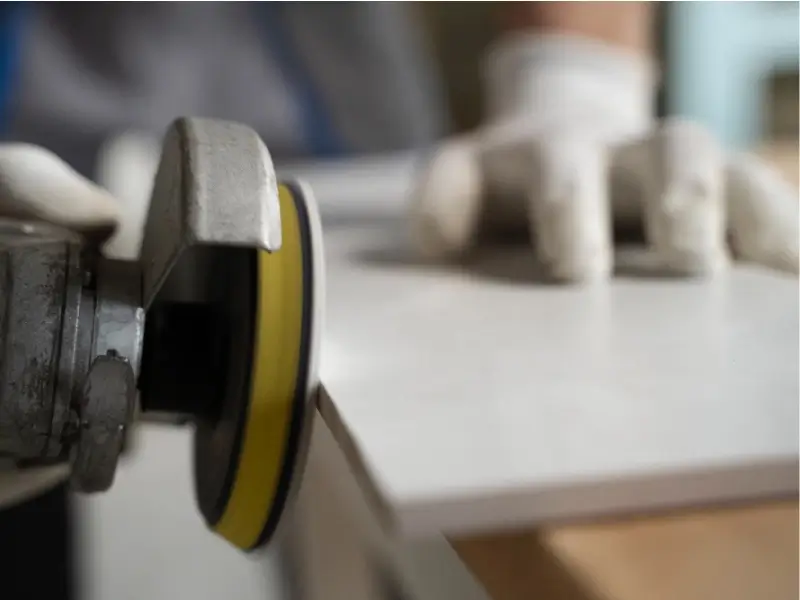
When engineered stone is cut, polished, drilled or ground, fine silica dust particles are released into the air. Workers who inhale this dust over time may develop serious respiratory illnesses, including silicosis.
What Is Silicosis?
Silicosis is a serious and irreversible lung disease caused by inhaling crystalline silica dust. The dust becomes trapped in the lungs, leading to inflammation, scarring and permanent breathing difficulties.
Common symptoms of silicosis include:
- Persistent coughing
- Shortness of breath
- Wheezing
- Chest pain
- Fatigue
- Respiratory infections
In severe cases, silicosis can lead to respiratory failure, disability and even death. There is currently no cure for the condition.
Medical experts are particularly concerned because workers exposed to engineered stone appear to be developing silicosis much faster than has historically been seen in traditional industries. Some workers have reportedly become seriously ill after only a few years of exposure.
Why Is the Engineered Stone Industry Under Scrutiny?
The Health and Safety Executive (HSE) has recently intensified its focus on the engineered stone industry due to increasing concerns about worker safety and silica dust exposure.
New HSE guidance states that dry cutting engineered stone is considered unacceptable because of the significant health risks involved. Nationwide inspections are now taking place to assess whether employers are properly controlling silica dust exposure in workshops and fabrication environments.
Appropriate safety measures should include:
- Wet cutting systems
- Dust extraction equipment
- Proper ventilation
- Respiratory protective equipment (RPE)
- Health surveillance and lung monitoring
Unfortunately, many workers may have spent years working in environments where adequate protections were not provided.
Who Could Be at Risk of Engineered Stone Exposure?
Workers potentially affected by silica dust exposure include:
Stone Masons
Individuals cutting and shaping engineered stone worktops may face prolonged exposure to airborne silica particles.
Kitchen Worktop Fabricators
Factory and workshop employees involved in manufacturing quartz worktops are among the highest-risk groups.
Countertop Installers
Workers installing engineered stone in homes and commercial premises may also inhale dangerous dust during cutting or fitting.
Construction Workers
Builders and contractors working around engineered stone products may be exposed if proper safety controls are absent.
Self-Employed Tradespeople
Independent tradespeople may have unknowingly worked with hazardous silica dust without adequate training or protective equipment.
Engineered Stone and the “New Asbestos” Comparison
Many occupational health experts are now referring to engineered stone silicosis as the “new asbestos crisis” due to the scale of potential exposure and the long-term health consequences for workers.
Australia became the first country in the world to ban engineered stone in 2024 following a sharp rise in silicosis cases among workers. There are now growing calls for tighter restrictions, or even a ban, in the UK.
The concern is that many workers may already have developed lung damage without realising it.
What Should You Do If You Are Concerned?
If you have worked with quartz worktops, engineered stone or silica dust and are experiencing breathing problems, persistent coughing or unexplained fatigue, it is important to seek medical advice as soon as possible.
Early diagnosis may help manage symptoms and identify whether workplace exposure contributed to your condition.
You may also wish to seek legal advice if:
- You were exposed to silica dust at work
- Your employer failed to provide proper protective equipment
- Dust extraction or ventilation systems were inadequate
- You were not warned about the risks of silica exposure
- You have been diagnosed with silicosis or another respiratory condition
Employers have legal duties under health and safety law to protect workers from hazardous dust exposure.
Can You Make an Engineered Stone Silicosis Claim?
If your illness was caused by workplace exposure to silica dust, you may be entitled to pursue compensation.
A successful engineered stone compensation claim may help cover:
- Pain and suffering
- Loss of earnings
- Medical treatment costs
- Care and support needs
- Future financial losses
At Phoenix Legal Solicitors, we understand the devastating impact occupational lung diseases can have on workers and their families. Our experienced team is closely monitoring developments surrounding the engineered stone crisis in the UK and investigating potential silicosis claims linked to quartz worktops and silica exposure.
Contact Phoenix Legal Solicitors
If you are concerned about exposure to engineered stone dust or have already been diagnosed with silicosis or another respiratory illness, our team may be able to help.
Contact Phoenix Legal Solicitors today for confidential advice about engineered stone silicosis claims and your legal rights.
0151 306 3694 Confidential online enquiryOther accident at work articles

£72,500 Settlement for Birmingham Council Worker in Stress at Work Case
Former Mental Health Practitioner Receives Settlement Following Stress at Work Claim Against Council In July [...]
Apr

Accident at work settled in the sum of £3,500
We have recently settled a claim on behalf of Mr M who was injured at [...]
Oct
Care Workers Accident at Work – Who is responsible?
Our client came to us in October 2020, following an accident at work in October [...]
Aug

Client working as a healthcare assistant in Arrowe Park Hospital suffers needlestick injury
Our client, approached Alisha Butler (director of Phoenix Legal Solicitors) to investigate a claim against [...]
May

Farmer fined after worker becomes entangled in potato harvester
It has been reported by the Health and Safety Executive (HSE)* that on 21 August [...]
Apr